ABOUT THE PROJECT
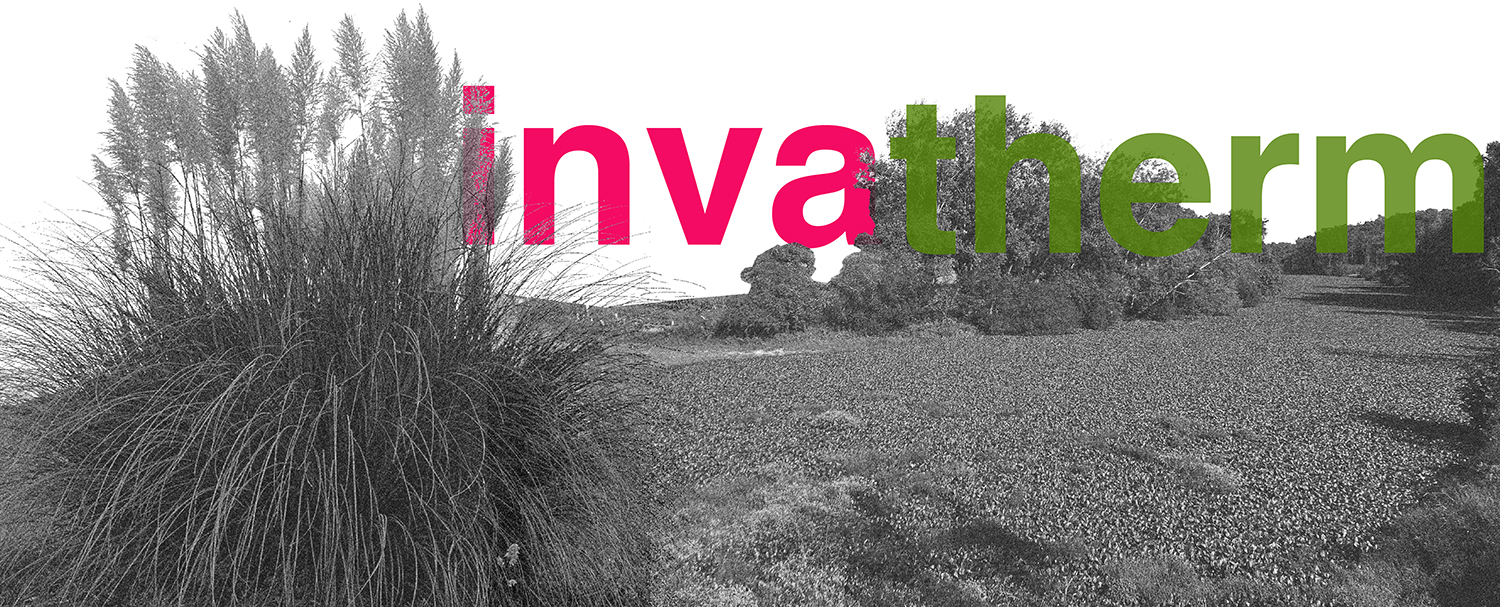
INVATHERM arises from the need to decarbonise the construction sector and to mitigate the environmental impact of invasive plant species that threaten local biodiversity. The project develops natural thermal insulation solutions from these plants, transforming their biomass into low-impact products that reduce the operational and embodied carbon of buildings, promoting a regenerative built environment and a value chain for the control of these species.
The research team brings together scientific expertise in fibre characterisation, new product development, prototype design and manufacturing, building energy efficiency and life cycle assessment.
SPECIES UNDER STUDY
The project focuses on three main species that are widespread across Portugal – giant reed (Arundo donax), pampas grass (Cortaderia selloana) and water hyacinth (Pontederia crassipes) – whose fibres will be the focus of the study, while also seeking, wherever possible, to explore the potential of other invasive species.
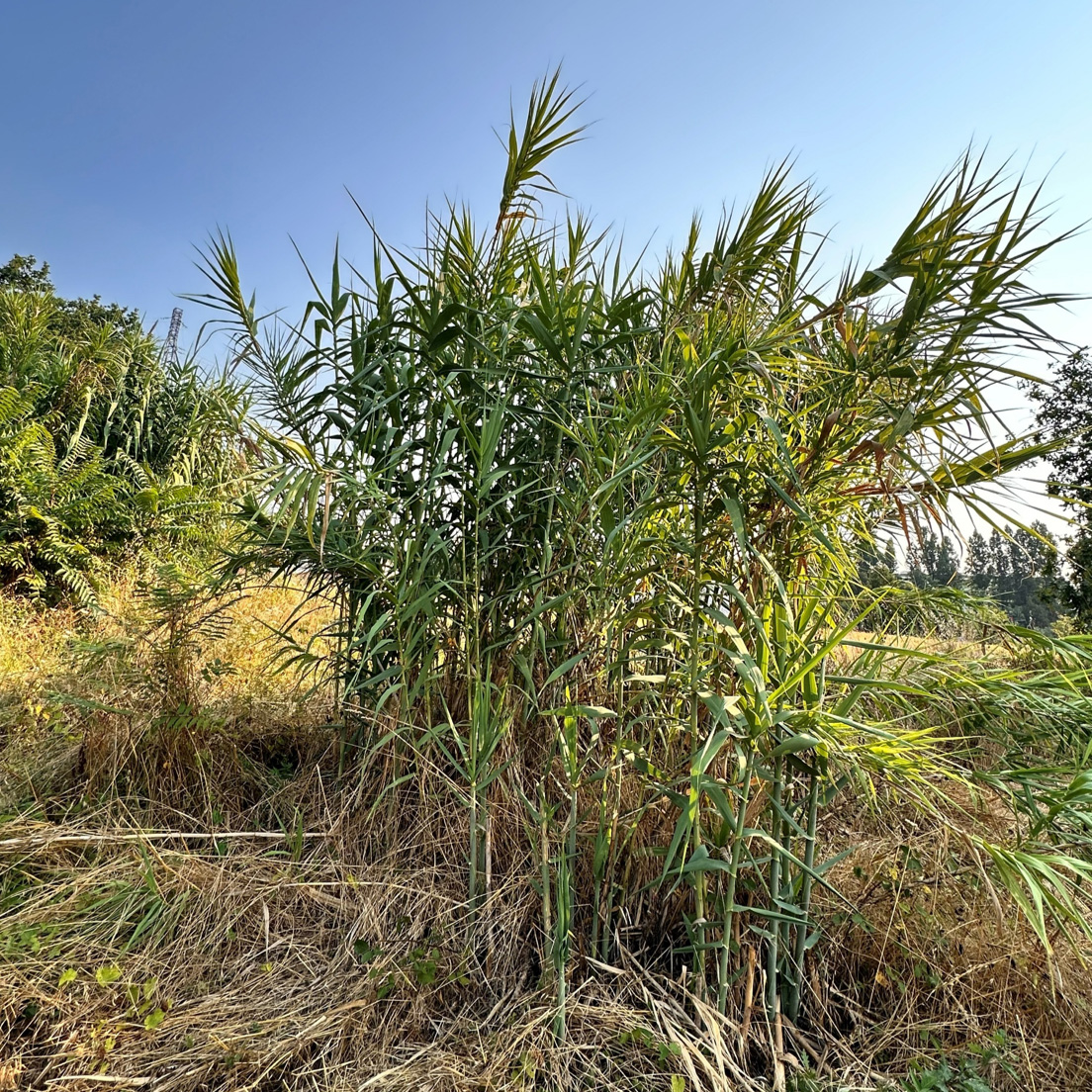
Giant reed (Arundo donax)
A fast-growing perennial grass native to Asia. It forms dense stands throughout the country, including along riverbanks and streams, competing with native flora for resources and worsening floods. Its fibres have high tensile strength and promising potential for reinforcing cementitious matrices and producing nonwoven fabrics.
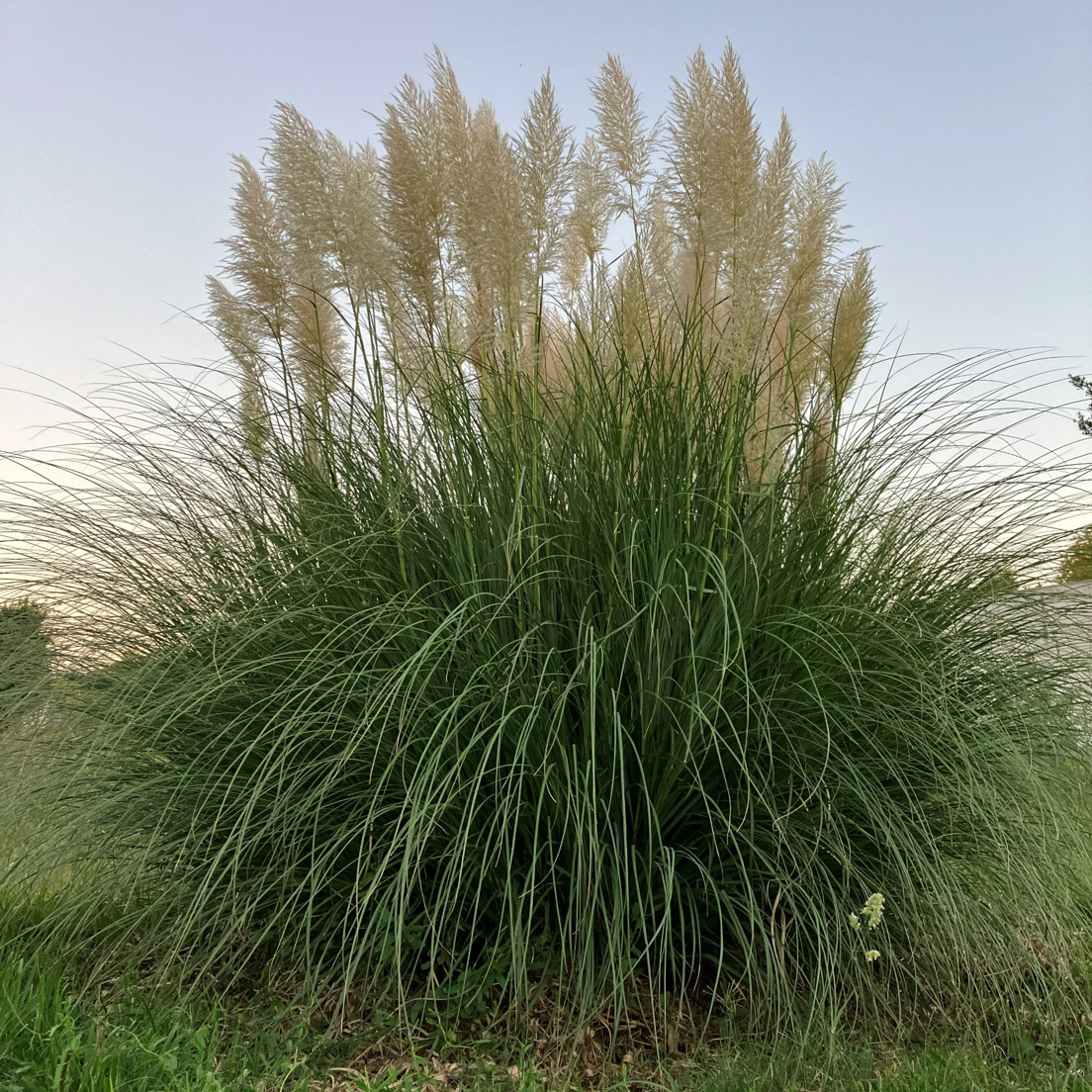
Pampas grass (Cortaderia selloana)
A grass of South American origin, brought to Europe as an ornamental plant. Widely spread in Portugal, it colonises roadsides, embankments and abandoned land, displacing native vegetation. It has a high cellulose content, with potential for applications such as thermal insulation.
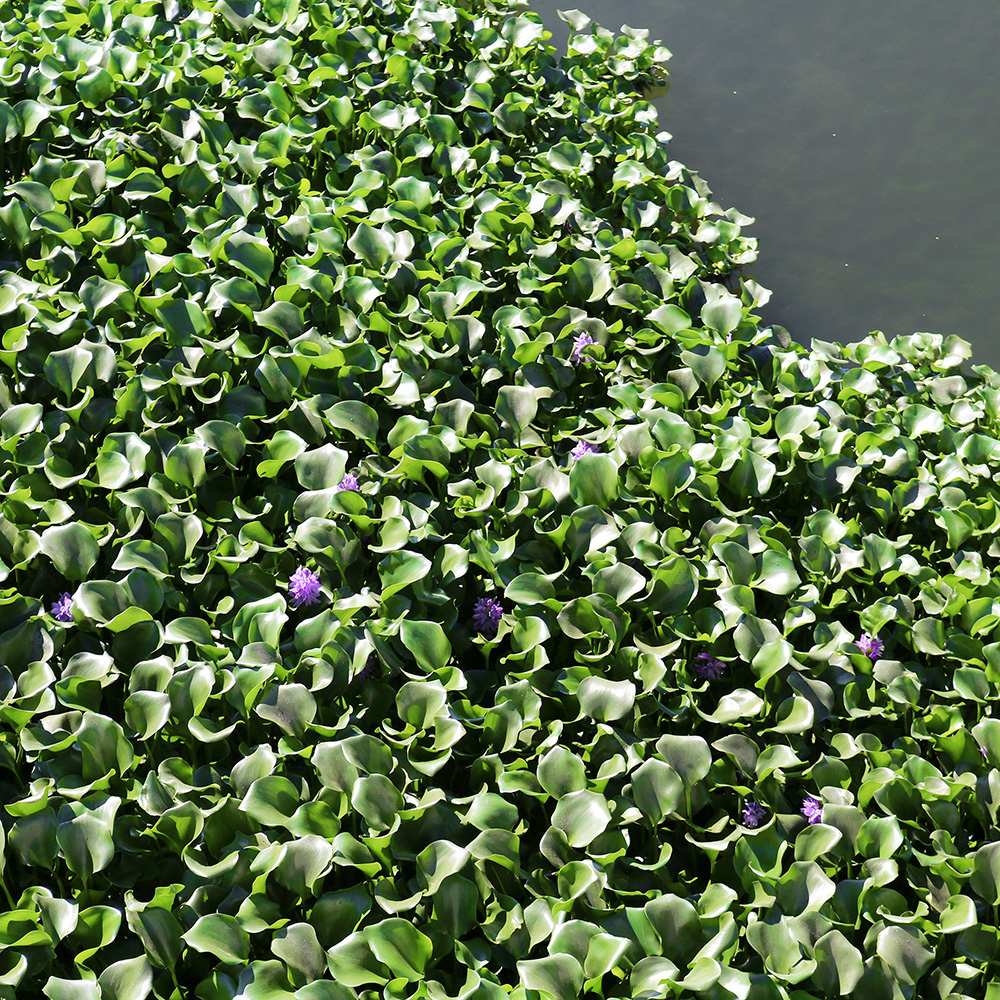
Water hyacinth (Pontederia crassipes)
A free-floating aquatic macrophyte native to the Amazon basin. It forms dense mats in rivers and reservoirs, competing with native species, causing eutrophication and obstructing watercourses. The porous, low-density structure of its stems gives it potential for thermal and acoustic insulation.
OBJECTIVES
- Develop construction products based on invasive plants
- Improve the thermal and environmental performance of buildings
- Promote the circular economy in construction
- Contribute to reducing operational and embodied carbon
- Assess the life cycle environmental impacts of the products developed
- Contribute to the protection of local biodiversity

RESEARCH TEAM
Ricardo Mateus (PI) – ISISE
Sandra M. Silva – ISISE
Jorge Fernandes – ISISE
Adriana Ansolin – ISISE
Diana P. Ferreira – 2C2T
Diego M. Chaves – 2C2T
Elina Marinho – 2C2T
Diana I. Alves – 2C2T
Adilson Paula Junior – Research Fellow
Lívia Cosentino – Research Fellow
Elizabete Marchante – invasoras.pt
PLANT INVADERS (Play to Learn)
The PLANT INVADERS game was created to present the INVATHERM project and, in a playful way, raise community awareness on the problem of invasive plants.

FUNDING
The INVATHERM project is co-funded by the European Union through the European Regional Development Fund (ERDF) and the COMPETE 2030 Programme, with the support of the Foundation for Science and Technology (FCT) – Operation COMPETE2030-FEDER-00800400.